

Stone Treatment

Kidney Stone

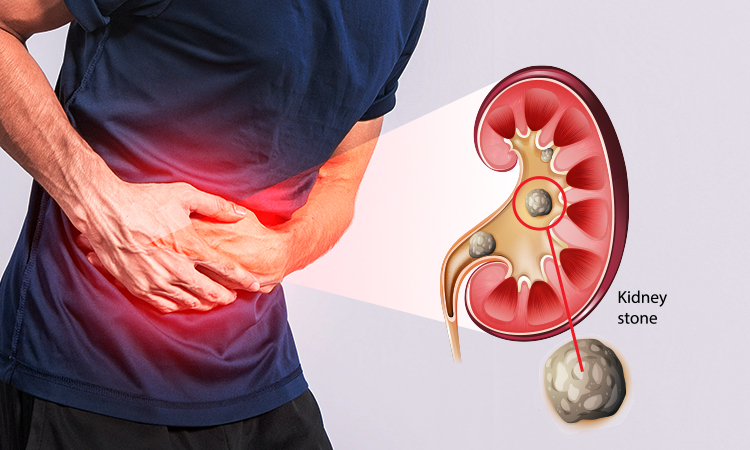
A kidney stone also known as renal calculus is defined as a hard, crystalline mineral mass that is formed within the kidney or urinary tract. The kidney stone can develop anywhere in our urinary tract that comprises kidney, ureter, bladder and urethra. It is one of the causes of blood in the urine and it causes one of the most painful medical conditions. The reasons for kidney stones may vary depending upon the types of the stone.

Symptoms and signs of kidney stone

  • Renal colic
  • Vomiting
  • Nausea
  • Blood in urine
  • Frequent need to urinate
  • Urination in small amount

Risk factors of kidney stone

  • Dehydration
  • High protein, glucose or salt diet
  • Obesity
  • Hyperparathryroid condition
  • Gastric bypass surgery

Treatment for kidney stone

Treatment of kidney stones depends on the size and type of the stone. Some of the treatment options include:

Medicine

Most of the kidney stones pass out of the kidney through ureter and bladder and eventually from urethra on their own. The treatment is performed to control the pain that occurs during the stone passes through the kidney. To relieve the pain narcotic medication is recommended. While in the presence of infection it requires treatment with antibiotics.

Percutaneous Nephrolithotomy

It is also known as tunnel surgery in which a small incision is made in your back to remove the stone. It is performed under the condition when the stone causes obstruction and infection or it is damaging the kidneys, the stone becomes too large to pass through and if the pain is not controlled by the medicine.

Lithotripsy

It is used to break up large stone with the help of extracorporeal shock of lithotripsy in which sound waves are used to break large stone so that it can more easily pass through the kidney to the ureter and in the bladder. The procedure is performed under light anesthesia and it doesn’t involve any incisions with minimal morbidity.

Ureteroscopy

A very small telescope is inserted into the urethra as it makes its way to the bladder. The doctor finds the opening of the affected and guides the scope up the ureter until it reaches the stone. The stone is then either fragmented or removed. A recent advance , known as RIRS (Retrograde Intrarenal Surgery) is used to retrieve stones from upper ureters and kidney without giving any incision.


Our Expertise

Urological Cancers

Diagnosis and advanced treatment of prostate, bladder, kidney, and testicular cancers using surgery, targeted therapy, and multidisciplinary care outcomes overall.

Robotic Surgery

Minimally invasive robotic procedures offering precision, incisions, reduced pain, quicker recovery, and improved outcomes for complex urological conditions and surgeries.

Kidney Transplant Surgery

Comprehensive kidney transplant services including evaluation, donor matching, surgery, and lifelong care to restore function and enhance quality of life.

Female Urology

Specialized care for urinary incontinence, pelvic floor disorders, recurrent infections, and bladder issues in women with personalized treatment plans effective.

Mens Health & Infertility

Diagnosis and treatment of male infertility, erectile dysfunction, hormonal imbalances, and reproductive health issues with advanced, evidence-based therapies clinical care.
Stone Treatment

Advanced management of kidney and urinary stones using laser lithotripsy, minimally invasive techniques, and prevention strategies to reduce recurrence risk.